Government Industrial Training Institute · Affiliated to NCVT
संत रोहिदास शासकीय औद्योगिक प्रशिक्षण संस्था (एससीपी),
छत्रपती संभाजीनगर
Sant Rohidas Government Industrial Training Institute (SCP)
A state-run workshop for ten trades of employable skill.
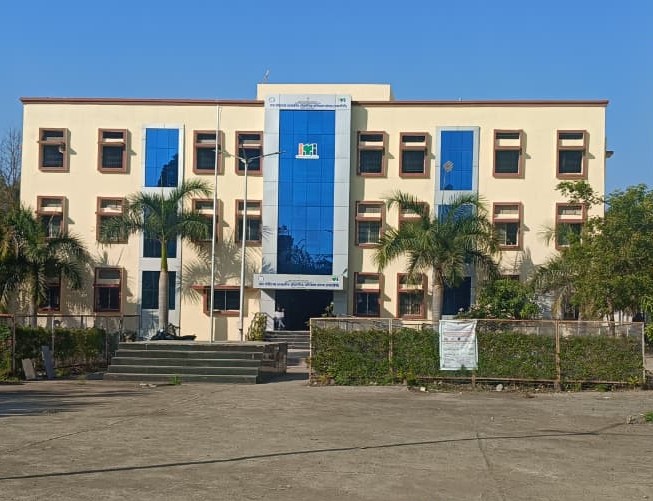
Established in 2010 under Government Resolution EBC-2005/P.K.295/MVK-2 dated 9 January 2006, the institute is funded and run by the Social Justice & Special Assistance Department, Government of Maharashtra. It stands on VIP Road, Kileark, behind the Government College of Art & Design, Chhatrapati Sambhajinagar.
Admission follows the state CAP round, and four-fifths of every intake is set aside for Scheduled Caste and Navboudha candidates — a mandate the institute has carried since its founding.
NCTVT Certification
All India Trade Test (AITT) certificates recognised by industry and government departments nationwide.
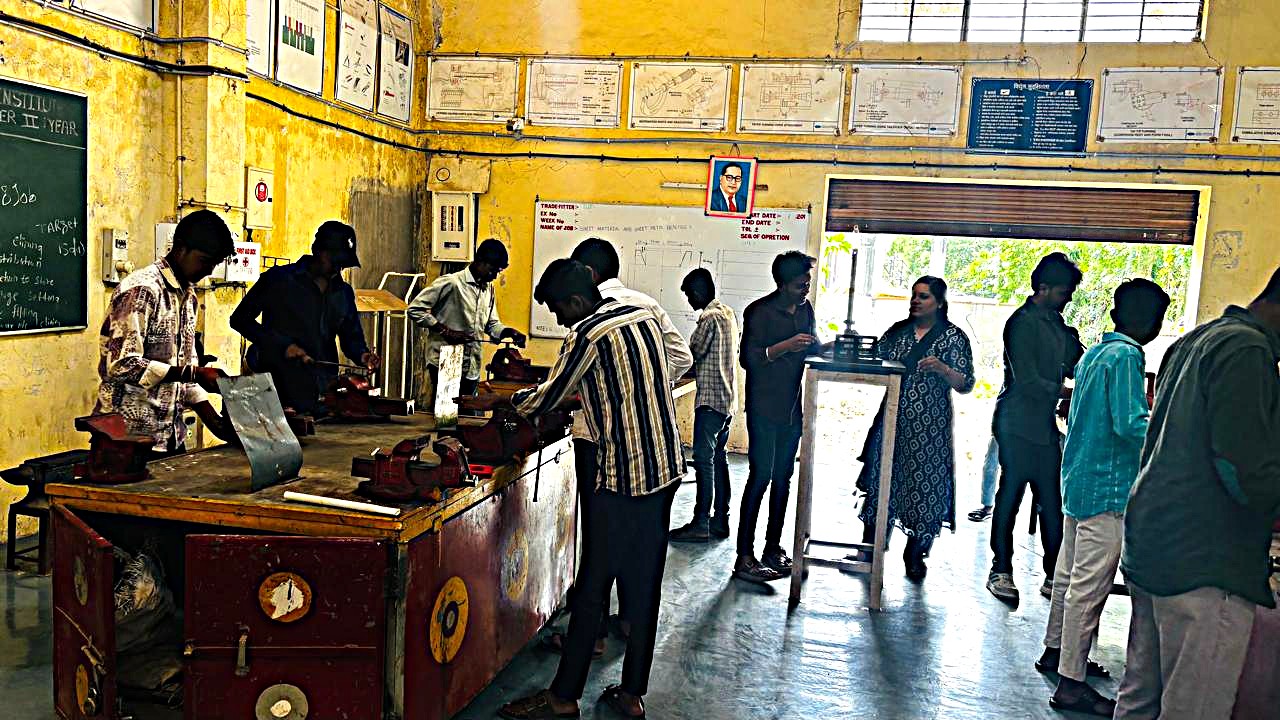
Live Workshop Floors
Trade-specific workshops equipped to current DGET machine and tooling norms.
Placement Cell
Dedicated cell connecting final-year trainees to regional and national industry partners.
State Directorate Linked
Direct administrative reporting to the State Directorate of Employment & Training.
Current Admission Position
All courses run under the Craftsmen Training Scheme (CTS) affiliated to NCVT. Entry requires a pass in Class X; duration and intake vary by trade.
Electrician
CTS scheme, 2 units. Unit-I intake 20 seats, Unit-II (2nd year) carries 19 continuing students — 39 admitted in total.
Electrician – PPP
Run under the Public Private Partnership scheme, 2 units. Unit-I intake 20 seats, Unit-II carries 18 continuing students — 38 admitted in total.
Fitter
CTS scheme, 2 units. Unit-I intake 20 seats, Unit-II carries 17 continuing students — 37 admitted in total.
Electronics Mechanic
CTS scheme, 2 units. Unit-I intake 24 seats, Unit-II carries 20 continuing students — 44 admitted in total, the largest 2-unit trade this year.
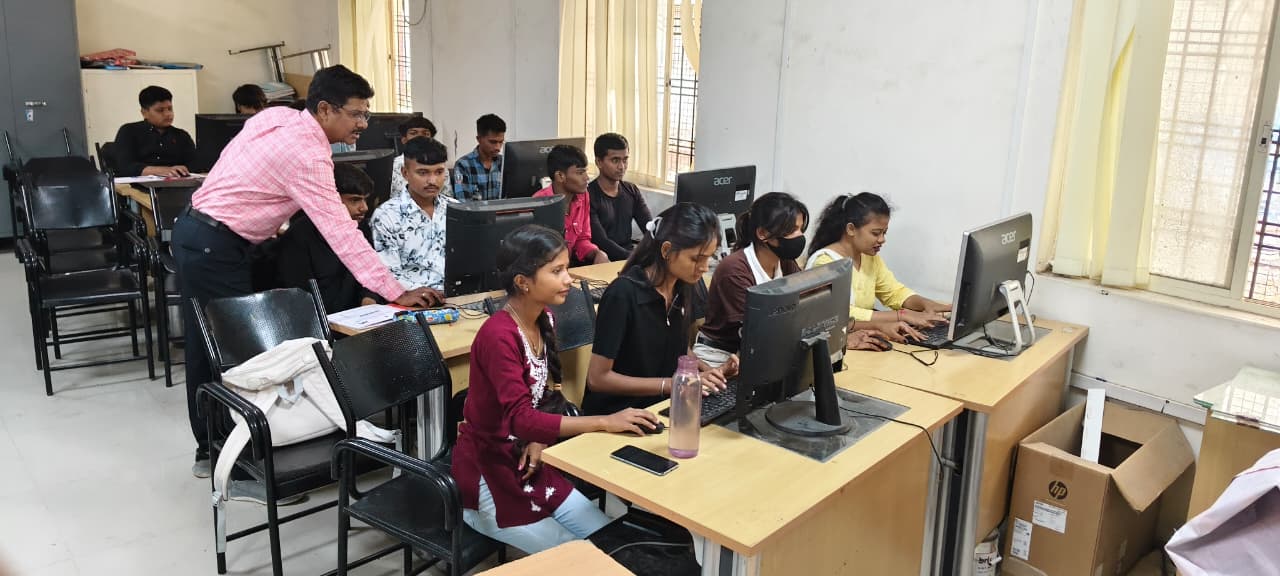
COPA
CTS scheme, 2 units. Unit-I intake 48 seats, fully filled; Unit-II (2nd year) has not yet begun this cycle — 48 admitted in total.
Proposed under Public-Private Partnership (PPP): Welder (1 yr, 24 seats), Mechanic Refrigeration & Air-Conditioning (2 yr, 20 seats), and Mechanic Electrical Vehicle (2 yr, 20 seats) — pending IMC resolution.
Built for the workshop floor, not just the classroom.
Trade-Tested Faculty
All instructors are CTI-trained and hold trade certificates at Class X level and above, with regular / contract status disclosed transparently.
Monthly Progress Tracking
Trainees are assessed through five monthly tests per semester across theory, practical, workshop calculation and engineering drawing.
Industry-Linked Curriculum
MoUs with regional manufacturing units bring guest faculty, industrial visits and on-the-job exposure into the training calendar.
Transparent Governance
Budget utilisation, DGET orders and RTI disclosures are published and updated on a monthly basis.
.jpeg)
.jpeg)
Session 2026–27 applications now being accepted
Seats are allotted by qualifying-exam percentage, followed by document verification and counselling. Limited seats per trade, per shift.